
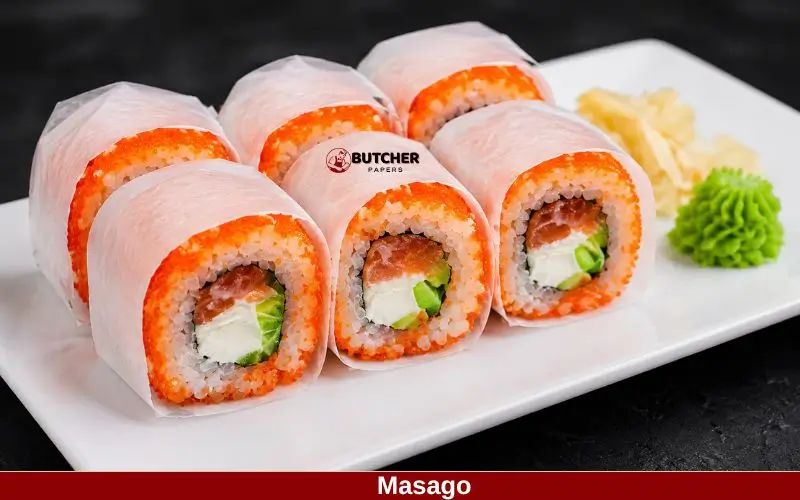
Japanese food is one of the most popular trends in the United States. Seafood-based ingredients can be found in many places, from New York’s sushi bars to California seafood eateries and modern Asian cafes located in Texas and Florida. Food lovers seeking out unique flavors and textures are enjoying seafood-based foods.
Masago is a common ingredient in sushi restaurants. Masago is added to many dishes, including sushi, seafood bowls and sauces. Its crunchy texture and mild flavor make it a popular addition. It is a popular ingredient in Japanese food, but many people don’t know where it comes or what it’s used for.
What is Masago?
Masago is the name for capelin’s roe or eggs. Capelin, a small fish that is found in the colder northern oceans, is also known as roe. The eggs are soft and crunchy but tiny. They are popular in Japanese inspired dishes. In the United States sushi restaurants use this ingredient to add texture and visual appeal. The color is typically orange, but restaurants can also serve it in red, black or green depending on the seasoning and preparation.
Comparing capelin to other fish roes, capelin is less expensive and more widely available. This is why so many sushi restaurants use it.
Where does Masago come from?
Capelin fish are found mainly in the North Atlantic region and Arctic regions. The roe must be harvested, cleaned and seasoned before it can be exported to international markets.
Distributors of seafood in the United States import frozen products such as roe from countries like Japan, Iceland and Norway. Restaurants store the product in refrigerated temperatures before using it to make sushi and seafood appetizers.
Many seafood suppliers offer premium roe to restaurants and home chefs because Japanese cuisine is becoming more popular in cities such as Los Angeles, Chicago and Seattle.
What does Masago taste like?
The taste is mild, salty and slightly sweet. It’s also lightly smoked. The texture is one of its best qualities. When eaten, the eggs produce a popping sound. The capelin roe is not as strong as other roes, and it does not overwhelm dishes. It complements other ingredients like rice, crab, salmon, avocados, cucumbers, spicy mayo, and shrimp.
It is a favorite among many sushi lovers in America because it provides texture without a fishy flavor.
What is Masago used for in Sushi or Seafood Dishes?
This versatile seafood ingredient can be used in many Japanese or fusion recipes.
Sushi Rolls
Many sushi chefs top California rolls, spicy rolls with tuna, baked rolls with seafood, and Dragon rolls with roe.
Rice Bowls
For added color and flavor, seafood rice bowls are often topped with salmon, avocados, cucumbers, seaweed and roe.
Seafood Salads
Japanese seafood salads often combine crabmeat, shrimp, sesame sauce, and roe to enhance texture.
Sauces and Toppings
To create a milder seafood flavor and a richer look, many spicy mayo sauces or seafood toppings contain roe.
Masago vs Tobiko
Most restaurant customers mistakenly confuse capelin and flying fish roe, as both are used to make sushi.
| Features | Capelin Roe | Tobiko |
| Egg Size | Smaller | Larger |
| Texture | Softer crunch | Crispier texture |
| Flavor | Mild and salty | Smokier flavor |
| Color | Orange is the most common color. | Bright orange or colored |
| Price | Affordable | More expensive |
| Common Use | Casual sushi dishes | Premium sushi dishes |
Size and Texture
Capelin roe has a softer texture and is smaller than flying fish roe. This results in a softer popping sound.
Taste Difference
The flavor of capelin is milder, and the roe from flying fish has a stronger smoky taste.
Color Difference
The roe may be orange, green or red because of the food coloring that is added to them during preparation.
Price Comparison
Capelin roe is usually cheaper, so it’s more commonly found in sushi restaurants that are affordable across the United States.
Is Masago Healthy?
Consumed in moderation, seafood roe is rich in protein, omega-3 fats, vitamins and minerals, which may help to improve overall health. Sushi is a healthier option than fried fast foods for many health-conscious Americans. Processed roe may contain preservatives and sodium.
Most experts recommend a moderate consumption.
Masago Nutrition Facts
The nutritional value of a food can vary depending on the preparation and seasoning.
| Nutrient | Potential Benefit |
| Protein | Supports muscle health |
| Omega-3 Fatty acids | Supports heart function |
| Vitamin B12 | Nerve health is improved by using this product |
| Selenium | Supports immune function |
| Calories | Low cost per serving |
| Sodium | Can be high processed products |
Masago has many health benefits.
When eaten in moderation, seafood roe can provide a number of nutritional benefits.
- Omega-3 fatty acids may help support cardiovascular health
- Protein is essential for body repair and functions.
- Included vitamin B12 to support nervous system
- Selenium may improve immune function
When consumed in moderation, balanced seafood meals can form part of a healthy diet routine.
The Side Effects and Risks
Some people should be cautious when consuming seafood roe, despite its nutritional value.
- People with high blood pressure may need to limit their sodium intake
- Allergies to seafood can cause severe reactions in some individuals
- Some processed foods contain artificial colors or preservatives.
- Increased sodium intake can be caused by excessive intake
Before consuming seafood regularly, people with food restrictions or sensitivities to seafood should consult their healthcare provider.
Can You Eat Masago Raw?
In sushi restaurants, yes. To improve food safety, commercial seafood suppliers freeze and process roe before distribution. To maintain quality and freshness, most reputable American restaurants that serve sushi adhere to refrigeration and seafood handling rules.
When preparing sushi, consumers should only purchase seafood from reliable suppliers who have cold storage systems.
How to store Masago Correctly
The right storage method is essential to maintaining food freshness, texture and safety.
- Refrigerate immediately after opening.
- Store in airtight containers
- Avoid repeated freezing and thawing
- Check the expiration date on packaging
When stored at stable temperature, frozen seafood roe will remain fresher for longer.
Masago – Best Recipes
As a condiment or ingredient, seafood roe is commonly used in many Japanese and fusion recipes.
- California rolls
- Spicy tuna rolls
- Seafood Poke Bowls
- Sushi tacos
- Crab salad appetizers
- Japanese seafood pasta
- Dynamite shrimp rolls
These dishes are often found on the menus of modern sushi restaurants in America.
Masago: How to Use it at Home
Simple recipes can be easily adapted to include seafood roe in the cooking process without requiring any special culinary skills.
It goes well with sushi, seafood pastas, avocado toasts, seafood salads and noodles. It is also used as a garnish on party dishes and appetizers.
Pair it with sesame oil or soy sauce to get the best taste. You can also pair it up with crab sticks, shrimps, smoked salmon, or cucumber.
Read Also: Wax Paper vs Parchment Paper for Baking Guide
The conclusion of the article is:
Masago is one of the most common ingredients in sushi because of its mild taste, delicate crunch and vibrant appearance. It is used in many Japanese-inspired dishes throughout the United States, from sushi rolls and rice plates to seafood salads and appetizers.
It is important to use it in moderation, as processed seafood roe contains high levels of sodium. It can add flavor to restaurant dishes and home-made seafood recipes when purchased from reputable suppliers and stored correctly.
Read Also: Salmon in Parchment Paper – Healthy, Easy Oven Recipe with Perfect Flavor
FAQs
Is Masago Real Fish Eggs?
It is indeed the roe of capelin, which can be found in cold waters.
Masago is it cooked or raw?
In sushi, the fish is usually cooked and then served.
Is Masago Safe During Pregnancy?
Before consuming any raw seafood products, pregnant women should consult with a health professional.
What color is Masago?
The color is normally orange, but it can also be green, black or red.
Is Masago Expensive?
It is more affordable than premium varieties of roe.
Does Masago Taste Fishy?
The flavor of the product is generally milder and less intense than that of many other seafood products.
Can Masago Be Frozen?
Freezing is a common way to prolong the shelf life and maintain freshness.