
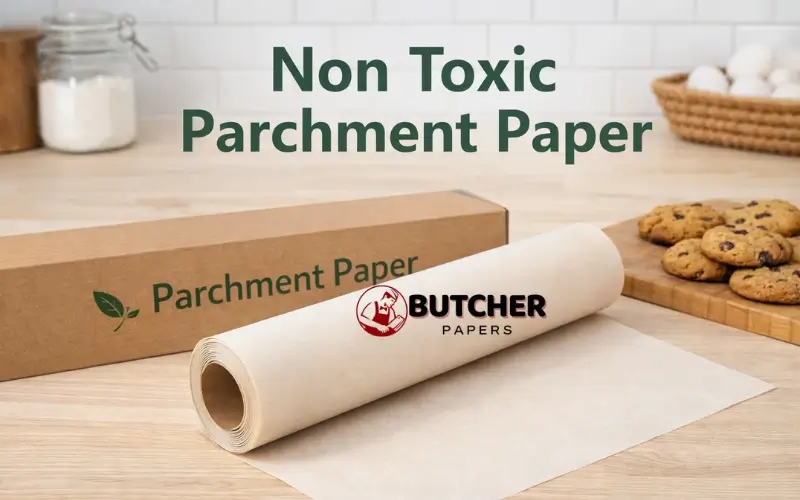
Non Toxic Parchment Paper: Safe & Eco-Friendly Baking

Meta Title Non Toxic Parchment Paper: Safe & Eco-Friendly Baking Meta Description Discover non toxic parchment paper for safe, heat-resistant, and eco-friendly baking, roasting, and cooking at home or professionally. Non Toxic Parchment Paper: Safe, Reliable, and Eco-Friendly Cooking and baking require kitchen tools that are safe, durable, and effective. Non toxic parchment paper has become an essential item in modern kitchens due to its non-stick properties, heat resistance, and chemical-free composition. Unlike wax paper, it is coated with silicone or other safe substances, making it parchment paper heat resistant up to 450°F (230°C). This makes it perfect for baking cookies, roasting vegetables, steaming fish, and even storing food safely. Using high-quality non toxic parchment paper ensures that your food remains free from harmful chemicals such as BPA and chlorine. It also reduces cleanup time and helps maintain professional-grade results in both home and commercial kitchens. Chefs and cooking enthusiasts alike prefer it because it is versatile, durable, and environmentally responsible. Benefits of Non Toxic Parchment Paper Non toxic parchment paper provides multiple advantages for everyday cooking and baking. It prevents food from sticking to trays or baking sheets, ensuring that pastries, cookies, and other baked goods retain their shape and texture. Its heat resistance allows it to be used safely in ovens at high temperatures without risk of burning or scorching. In addition to its practical benefits, non toxic parchment paper contributes to chemical-free cooking, offering peace of mind for families and professional chefs who prioritize health and food safety. By reducing the need for oils or sprays, it also supports healthier cooking methods and simplifies post-cooking cleanup, making the overall cooking process more efficient and enjoyable. Non Toxic Parchment Paper vs Regular Parchment or Wax Paper While traditional parchment or wax paper has been widely used in kitchens, it often comes with limitations. Wax paper may melt under heat and release chemicals, while some conventional parchment may contain chlorine or other toxins that can affect the food. In contrast, non toxic parchment paper provides chemical-free safety, excellent non-stick performance, and superior heat resistance. Selecting high-quality parchment paper ensures that baked and roasted items are safe for consumption, cook evenly, and are easy to remove from trays without sticking. This distinction makes non toxic parchment paper a preferred choice for anyone serious about quality cooking. Practical Uses of Non Toxic Parchment Paper The versatility of non toxic parchment paper makes it suitable for a variety of kitchen tasks. In baking, it can line cookie sheets, cake pans, or muffin tins, preventing sticking and ensuring even baking. For roasting, it is ideal for vegetables, poultry, or fish, as it helps retain moisture and prevents cleanup hassles. Steam cooking with parchment paper allows foods like fish, dumplings, and vegetables to cook in their own juices, maintaining flavor and nutrients. Non toxic parchment paper can also be used for safely storing sandwiches, cheeses, or pastries, and even for freezing foods to protect them from freezer burn. Its multi-purpose use makes it indispensable for both home and commercial kitchens. Tips for Using Non Toxic Parchment Paper To maximize its benefits, non toxic parchment paper should be used with care. Always preheat the oven before placing food on the parchment to ensure even cooking. Avoid direct contact with open flames, as this can damage the sheet. Light reuse is possible if the sheet is not heavily soiled, but for best results, fresh sheets are recommended. Proper storage in a cool, dry place maintains the quality of the parchment paper. Choosing eco-friendly, compostable sheets can further enhance sustainability while still providing safe and effective cooking performance. Professionals often prefer non toxic parchment paper because it supports consistent presentation and reduces preparation time. Environmental Advantages Non toxic parchment paper often comes in biodegradable or compostable varieties, which break down naturally and reduce environmental impact. Choosing these products over conventional parchment or aluminum foil supports responsible cooking practices, reducing landfill waste and promoting sustainability. Using eco-conscious kitchen tools allows chefs and home cooks to maintain high standards for both safety and environmental responsibility without compromising performance. Common Mistakes to Avoid Several common mistakes can reduce the effectiveness of parchment paper. Avoid using wax paper for high-heat cooking, as it can melt and release harmful chemicals. Do not fold or place parchment too close to open flames, and do not assume that all parchment papers are non-toxic; always check the brand specifications. Exceeding the recommended temperature can result in burning or loss of non-stick properties. Compared to aluminum foil, non toxic parchment paper is safer chemically, provides a non-stick surface without extra oil, and is heat-resistant. Using it correctly ensures both food safety and optimal cooking results. Practical Uses Non toxic parchment paper is highly versatile: Baking: Lines trays for cookies, muffins, cakes, and pastries to prevent sticking. Roasting: Ideal for vegetables, chicken, fish, or other proteins while simplifying cleanup. Steam Cooking: Retains moisture and nutrients in dishes cooked in parchment packets. Food Storage: Wrap sandwiches, cheese, or pastries safely for freshness. Freezing: Protects foods from freezer burn and keeps them separated. Its multi-purpose nature makes it a must-have in any kitchen, whether professional or at home. Tips for Best Use To maximize the benefits: Preheat the oven before placing food on parchment. Avoid direct contact with open flames. Reuse sheets lightly only if not heavily soiled. Store sheets in a cool, dry place. Choose eco-friendly, compostable sheets for sustainability. Professionals prefer non toxic parchment paper for consistent food quality, improved presentation, and reduced prep time. Expected Timeline For new websites, first-page ranking typically takes 2–3 months. Established websites with strong authority can see results within 2–6 weeks if the content and SEO are fully optimized. FAQs Can I use non toxic parchment paper in the microwave? Yes, it is safe for moderate heat and does not melt, making it suitable for reheating food. Is non toxic parchment paper reusable? Light reuse is possible, but fresh sheets are recommended for optimal performance. How does it differ from wax paper? Wax paper can melt or release chemicals under heat, whereas parchment paper heat resistant is safe for baking, roasting, and steaming. Can it be composted? Yes, many brands of non toxic parchment paper are biodegradable and environmentally friendly. What foods work best with non toxic parchment paper? It works well with cookies, muffins, roasted vegetables, fish, chicken, and steamed dishes.

Kitchen utensils need to be safe, durable and effective in cooking and baking. The use of non toxic parchment paper in the modern day kitchen has gained a critical need in the kitchen because of its non-stick characteristics, heat resistance and chemical free nature. In contrast to wax paper, it is covered with silicone or other non-toxic materials, so it is heat-resistant to a temperature of 450 o C (230 o F). That is why it is ideal to use when baking cookies, roasting vegetables, steaming fish, and even storing food safely.

High quality non toxic parchment paper means that your food will not be contaminated with dangerous chemicals like BPA and chlorine that are harmful to the human body. It saves time on clean up, assists in obtaining professional quality results in the home and commercial kitchen. Cookers and cooking fans find it good as it is multi-purpose, strong, and eco-friendly.

Benefits of Non Toxic Parchment Paper

Parchment paper is non toxic and has several benefits in the daily cooking and baking processes. It does not allow food to be stuck to trays or baking sheets and thus preserves the shape and texture of the pastries, cookies and other baked goods. It is also very heat resistant and thus can be put into ovens of high temperatures without burning or scalding. Besides providing practical advantages, the fact that non toxic parchment paper results in chemical-free cooking is one of the benefits that provide families and professional chefs with peace of mind in terms of health and food safety. It also helps to promote a healthier way of cooking and streamline the cleanup process after cooking, reducing the requirements of oils or sprays, and making the entire experience of cooking more productive and enjoyable.

Non Toxic Parchment Paper vs Regular Parchment or Wax Paper

Although the use of traditional parchment or wax paper has been highly applicable in kitchens it has limitations in most cases. Wax paper could melt in heat, and release chemicals, and some of the traditional parchment can have chlorine or other toxins that can be transferred to the food. Conversely, non toxic parchment paper offers a chemical free safety, high non-stick capabilities and high heat resistance. The quality of parchment paper used should be decided with care and make sure the baked and roasted foods are safe to eat, the food cooks well and can be removed off the trays without sticking. This is the difference that separates non toxic parchment paper as a choice of any serious person who deals with quality cooking.

Practical Uses of Non Toxic Parchment Paper

The versatility of non toxic parchment paper makes it suitable for many kitchen tasks:

  • Baking: Lines cookie sheets, cake pans, or muffin tins for even baking
  • Roasting: Ideal for vegetables, poultry, or fish, retaining moisture
  • Steam Cooking: Cooks fish, dumplings, or vegetables in their own juices
  • Food Storage: Wraps sandwiches, cheeses, or pastries safely
  • Freezing: Protects foods from freezer burn and keeps them separated

Read Also: Can parchment paper go in the microwave

Non Toxic Parchment Paper Uses

Kitchen Task How Non Toxic Parchment Paper Helps Key Feature
Baking Lines cookie sheets, cakes, muffins Non-stick
Roasting Vegetables, poultry, fish Heat-resistant up to 450°F
Steam Cooking Fish, dumplings, vegetables Retains moisture and nutrients
Food Storage Wraps sandwiches, cheese, pastries Chemical-free and safe
Freezing Protects foods from freezer burn Durable and versatile

Tips for Using Non Toxic Parchment Paper

Non toxic parchment paper must be taken care of to ensure that the maximum benefit has been achieved. The oven should always be preheated and then food should be put on the parchment to cook evenly. One should not come into direct contact with an open fire since this may ruin the sheet. One can use the light reuse when the sheet is not so dirty, however, fresh sheets should be used to achieve optimal outcomes. 

When the parchment paper is stored properly in a cool dry place the quality of the paper is preserved. Using eco-friendly, compostable sheets can also help in improving the sustainable value, yet maintaining safe and effective cooking performance. Non toxic parchment paper is the favorite paper used by professionals due to their preference in ensuring that information can be presented consistently and less time is wasted in the preparation process.

Environmental Advantages

Non toxic parchment paper is usually biodegradable or compostable either, and this is environmentally friendly as it breaks down and is ecologically friendly. This decision in favor of these products instead of the traditional parchment or aluminum foil contributes to responsible cooking and minimizes the waste in landfills and enhances sustainability. A green kitchen will enable chefs and domestic cooks to have high standards of safety and environmental responsibility without interfering with performance.
Non Toxic Parchment Paper:

Common Mistakes to Avoid

A number of errors may make non toxic parchment paper less effective. Wax paper should not be used to cook high-heat food because it may melt and emit toxic substances. Do not fold or put parchment too near open fires, and should not suppose that all parchment papers are non-toxic; they must be consulted as to brand. Use of a temperature higher than the recommended temperature may cause burning or loss of non-stick properties. Non toxic parchment paper is safer and is chemically safer in a comparison with aluminum foil since it offers a non-stick surface with no additional oil added but is also heat-resistant. The proper use of it will guarantee food safety and the best cooking outcomes.

FAQs

Is it possible to microwave non toxic parchment paper?

Yes, it can sustain moderate temperatures and does not melt which makes it appropriate to reheat food.

Is non toxic parchment paper reusable?

Reusing light is available though it is best used with fresh sheets.

What is its difference with wax paper?

Wax paper is dangerous when it is heated as the heat may lead to melting of the paper and also it can release chemicals whereas parchment paper heat resistant still can be used during baking, roasting and steaming.

Can it be composted?

Yes, most non toxic parchment paper brands are biodegradable and environmentally friendly.

What are some of the foods that can be used with non toxic parchment paper?

It is combined with cookies, muffins, roasted vegetables, fish and chicken, and steamed food.

Tips: Use parchment paper heat resistant sheets of high quality to ensure a safe and efficient cooking process is accomplished.

Scroll to Top

LET’S START YOUR PROJECT TOGETHER!