

The recall of Newly Weds Foods’ ham salad has caused concern among food companies and consumers, as food recalls directly impact public safety and product standards. For prepared deli products such as ham salad, it is important to maintain strict hygiene standards, handle them safely, and use proper refrigeration. These products are perishable and incorrect storage can lead to contamination.
Food recalls are a way to remove products that may be unsafe from the stores and distribution channels, before they pose a greater health risk. Food recalls allow food manufacturers to improve their production procedures and review their systems.
Understanding Food Recalls
Food recalls form part of the industry’s food safety system. Food recalls are issued when products do not meet the required standards for health and quality.
What causes a food recall?
Recalls of food can occur for a variety of reasons. In some cases, contamination can occur during packaging or manufacturing. Other times, incorrect information on ingredients or labeling mistakes can lead to safety issues.
Some manufacturers recall products after:
- Inspections of internal quality
- Customer complaints
- Inspections by the government
- Laboratory Testing
- Packaging failures
Most recalls are preventative measures taken before widespread illnesses are reported.
Buy: Food Wrapping Paper
Why Recalls are Important
Recalls of food products help to reduce the risk of public illness by removing unsafe products from retail stores and restaurants. The recalls also give manufacturers the opportunity to improve their food safety procedures and review their production systems.
If recalls are not made, products that have been mislabeled or contaminated could be available to the public for a longer period of time.
Ham Salad: Food Safety Issues
Prepared deli items require special handling, as they contain ingredients which can spoil quickly when not properly stored.
Temperature Control: Risks
The products of the ham salad category must be kept refrigerated throughout their transport, storage and display. Temperature fluctuations can cause bacteria to grow quickly. Even short periods of time without cooling can affect food safety.
Cross-Contamination Problems
If surfaces, containers or equipment used for food preparation are not properly cleaned, cross-contamination may occur. It can spread bacteria during packaging or manufacturing. Cleaning and sanitation systems are used by food businesses to reduce this risk.
Ingredient Sensitivity
Many prepared salads contain mayonnaise, cooked beef, and dairy products. To maintain freshness, these ingredients must be handled and stored with care.
The importance of refrigeration in prepared foods
The refrigeration of deli foods and prepared meals is essential to food safety.
Commercial Refrigeration Systems
Commercial refrigeration systems are used by food manufacturers and retailers to maintain a constant temperature throughout the supply chain. Refrigerated storage preserves freshness and helps reduce bacterial growth.
Temperature monitoring systems are often used by businesses that handle deli products to detect problems as early as possible.
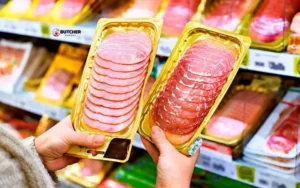
Transportation and Cold Chain Management
Cold chain management is the process of maintaining refrigerated temperatures during transport and storage. The temperature of delivery vehicles and storage areas must be maintained at a safe level at all times. Food quality and safety can be affected by interruptions in refrigeration.
Safe Storage at Home
After purchasing, consumers should immediately refrigerate the prepared product. Deli products that are left at room temperature too long can spoil. The products should be consumed prior to the expiration date listed on their packaging.
Packaging and Product Protection
Packaging is a key factor in ensuring food safety and freshness.
The importance of food-safe packaging
Packaging that is food-safe protects products from contamination and moisture. Proper packaging helps to maintain freshness throughout transportation and retail displays.
Today, many food businesses use durable packaging materials specifically designed for deli items and takeaway meals.
Hygiene and Leak Prevention
A strong packaging will help prevent leaks, and also improve cleanliness when handling and transporting. Sealing properly reduces the exposure of bacteria and other contaminants.
Labelling
Label accuracy is crucial during recalls, as consumers depend on the product details to identify affected products. Labels typically include:
- Name of the product
- Batch number
- Expiration date
- Ingredient details
- Storage Instructions
Consumer Safety during a Recall
Food recalls are serious business and should be taken seriously by consumers.
Checking product information
Recall notices provide detailed information on the products affected. Compare product packaging and labels with official recall announcements.
Avoid Recalled Products
Consumers are advised to not consume a recalled item until they receive official instructions.
Proper Disposal Procedures
According to instructions from manufacturers or food safety authorities, affected products may have to be safely disposed of or returned to retailers.
Cleaning Contaminated Surfaces
Customers should clean surfaces, such as refrigerators, storage bins and other containers that have been in contact with the recalled product.
How food companies respond to recalls
In order to protect the public and maintain trust, food manufacturers respond quickly when recalls occur.
Remove Products from Stores
After a recall is announced, affected products are removed from stores, warehouses and restaurants.
Production Inspections
To identify the problem, manufacturers may conduct inspections of production facilities, examine sanitation procedures and review the sourcing system for ingredients.
Improving Quality Control
Businesses often increase quality control procedures after recalls by increasing product testing.
The following improvements are possible:
- Temperature monitoring
- Additional sanitation checks
- Packaging inspections enhanced
- Employee training can be improved
- Stronger supplier verification systems
Hygiene is important in food manufacturing
Hygiene standards are critical in preventing contamination of food during production.
Sanitation procedures
Cleaning procedures are followed in food processing facilities to reduce the risk of contamination and bacterial growth.
Employee Hygiene Standards
When handling food, employees must adhere to hygiene standards such as:
- Wearing gloves
- Regularly washing your hands
- Using sanitized equipment
- Safe food handling is important
Equipment Cleaning
To maintain food safety standards, production equipment needs to be cleaned and sanitized on a regular basis.
Public Awareness and Food Safety Education
Recalls of food products often raise public awareness regarding proper food storage and handling practices.
Understanding Food Labels
Before purchasing prepared food, consumers are more cautious about checking expiration date, ingredient lists and storage instructions.
Safe Food Handling Practices
Food safety can be improved by ensuring proper refrigeration and hygiene in the home. Avoid leaving deli items unrefrigerated over long periods.
Monitoring Official Updates
Consumers can stay informed by following official recall announcements.
Recalls of food products and their impact on businesses
Recalls of food can impact manufacturers, retailers and restaurants.
Financial Losses
Product removal, production delays and damaged inventory can cause businesses to suffer financial losses.
Brand Reputation
After a recall, the customer’s trust may also be impacted. After an incident, many companies take immediate action to increase transparency and improve food safety systems.
Operational Improvements
Recalls encourage businesses to improve packaging standards, quality control and refrigeration systems.
Food Safety: Preventing Future Problems
Food manufacturers continue to invest in systems which improve product safety and reduce contamination risk.
Advanced Monitoring Systems
To improve the safety of products during storage and transport, many facilities use digital tracking and automated temperature monitoring systems.
Better Quality Control
Additional inspections and testing of products can help identify problems earlier in the manufacturing process.
Improved Packaging Solutions
Food-safe packaging that is durable helps to maintain freshness, reduce contamination risk and preserve food during transport and retail display.
Conclusion:
The recall of Newly Weds Foods’ ham salad highlights the importance for food safety and sanitation throughout the entire food production process. To protect consumers’ health, prepared deli products must be handled carefully during production, packaging, transport, storage and retail distribution.
Recalls of food products also serve as a reminder to businesses and consumers alike to pay more attention to the storage conditions, expiration date, and hygiene practices. Food quality and consumer trust in prepared foods are maintained by strong packaging systems, reliable cooling, and responsible manufacturing processes.
Read Also: How to Choose High-Quality Food Safe Butcher Paper for Restaurants
FAQs
What is the Newly Weds Foods Ham Salad Recall?
Newly Weds Foods’ ham-salad recall is a result of concerns about specific prepared ham-salad products that were removed from the market for safety.
Why do food recalls occur?
Recalls of food are made to protect the consumer from contaminated products, incorrect labeling, and unsafe food.
What should the consumer do if he or she has a recalled item?
The consumer should not consume the product, and instead follow the official recall instructions for disposal or return.
Why is it important to refrigerate prepared food?
Refrigeration is a great way to keep perishable foods fresh and to prevent bacteria growth.
Can packaging affect food safety?
Packaging is important to protect food against contamination, leaks and spoilage.
What are the most common reasons for food recalls in prepared form?
Some of the most common causes are contamination, temperature problems, incorrect labeling, and packaging defects.
How can manufacturers improve safety following recalls?
After recalls, manufacturers often improve sanitation procedures, quality checks, temperature monitoring and employee training.