
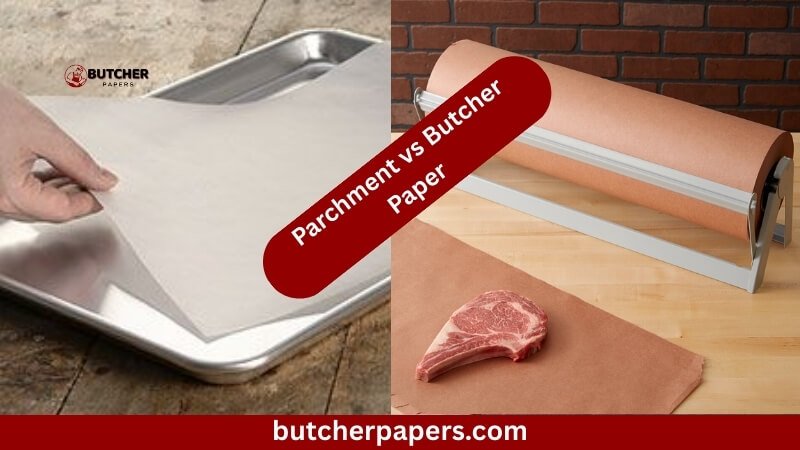
Parchment vs Butcher Paper – Differences
Choosing between parchment and butcher paper can be a challenge for bakers, home cooks as well as BBQ fans. Both papers are similar in appearance, however they behave in a different way at home. The wrong paper could make a recipe unusable, ruin the delicate baking goods or alter the taste and texture of smoking meats.
Parchment paper is heat-resistant and non-stick and ideal for baking and roasting.
Butcher paper – strong, airy, great to wrap, store, or smoking meats.
Understanding the difference between them will help you cook better, bake faster, cook more efficiently and cook meats as professionals. Butcherpapers.com provides a variety of high-quality products that can be used in kitchens at home or in professional kitchens.
What Is Parchment vs Butcher Paper?
Each paper is made of wood pulp. However, coatings and treatments are what make the distinction:
Parchment Paper:
- Silicone-coated
- Non-stick
- Heat-resistant
- Perfect for baking, roasting and for cooking delicate foods
Butcher Paper:
- The material is porous and thicker.
- Uncoated
- Breathable and powerful
- Great for wrapping meats making it airy, and for low-and-low cooking
What’s the point?
- It is easy to release food and is able to withstand high temperatures.
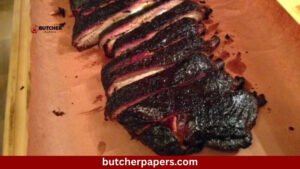
- Butcher paper lets moisture evaporate, making it ideal to create a delicious bark that is smoked Brisket.
If you use the wrong paper, it can result in burning, sticking, or sloppy results. The right paper can ensure greater cooking efficiency, a simpler clean-up and a safer handling of food.
Understanding Parchment Paper
Parchment paper is a necessity in the kitchen due to its versatility and dependability.
Uses of Parchment Paper:
- Pastries, cookies, or bread – helps prevent sticking and even encourages browning
- Roasting your meat or vegetables results in a non-stick, non-slip surface that reduces the time spent cleaning
- Making fish packets for preparation or “en papillote” dishes – is a way to lock in the moisture
- Microwaves are chemical-free and resistant to heat
- Making candy or working with chocolate is able to prevent sticking even without adding oils
Benefits:
- Non-stick surface helps prevent grease pans
- Can withstand extreme temperatures without burning
- Protects delicate baked goods
- It is flexible and simple to cut to custom pan sizes
Pro Tips: Use parchment paper with cookie sheets when baking. It will ensure uniform heat distribution and avoids burning bottoms, particularly for delicate or thin cookies.
Understanding Butcher Paper
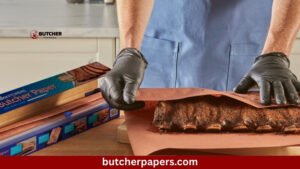
Butcher paper is more dense and stronger as well as more air-tight than parchment. Its shape makes it ideal to wrap, store, or smoke your meats.
Types of Butcher Paper:
Pink Butcher Paper – It is widely used in BBQ smoking. It allows smoke to enter and keep meat juicy. Perfect for brisket or ribs as well as pork shoulder.
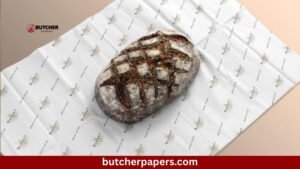
White Butcher Paper – It is commonly found in delis and grocery stores to wrap sandwich sandwiches and raw meats or food items that are prepared.
Butcher Paper Roll – Rolls are commercial-sized and can be used to cut custom lengths and cover prep surfaces or wrapping large objects.
Benefits of Butcher Paper:
- The material is breathable, which prevents condensation while wrapping meat
- Durable and tear-resistant, perfect for big cuts
- Keeps flavor and texture intact during smoking
- Food-grade alternatives from Butcherpapers.com guarantee safety for both professionals and at-home use
Fun Tips: Pink butcher paper is a popular choice for barbecue contests due to its ability to maintain the formation of the bark while allowing slow smoke infusion, which parchment cannot do.
Can Butcher Paper Go in the Oven?
Many cooks ask whether butcher paper can be used into the oven?
- The standard butcher paper isn’t coated to resist high heat.
- It is ideal for cooking low and slow or indirect heat, like smoking meats
- Do not use to bake or roast at high temperatures because it can scorch, change into hard, or even spark
Tips: For roasting or baking, make use of parchment paper. Butcher paper is ideal to wrap food items or smoke but not for direct oven cooking.
Must Read: Can Butcher Paper Go in the Oven
When to Use Parchment Paper
The Parchment is a great choice when you require:
- Non-stick surfaces
- High tolerance to heat
- Even cooking results
- Simple cleanup
- Moisture retention in baked items
Best Uses:
- Cookies muffins, pastries, and cookies
- Roasted fish or other vegetables
- Pizza and flatbreads
- Cake pans with cake liners or cookie sheets
Extra tip: Parchment paper is also useful for freezing dough. Place the dough on parchment to avoid sticking, then transfer it to storage containers.
Must Read: Can Parchment Paper Go in the Microwave
When to Use Butcher Paper
Butcher paper is a winner when the quality and breathability are important:
- Wrapping meats to smoke
- Packing cooked or raw meats
- Food storage in refrigerators
- Covering the prep surfaces to ensure they are free of dirt
- Wrapping sandwiches or deli items
Pro Tip: Mix butcher paper with white or pink types based on the purpose. Pink is the best color for BBQ and white is ideal for packaging and display.
Key Differences Between Parchment and Butcher Paper
| Feature | Parchment Paper | Butcher Paper |
| Heat Resistance | High | Moderate |
| Surface Texture | Smooth, non-stick | Textured, porous |
| Best Uses | Baking or roasting | Smoking Wrapping |
| Durability | Moderate | High |
| Breathability | Low | High |
Being aware of these differences helps avoid errors when cooking and provides higher quality food.
Practical Tips for Choosing the Right Paper
- for cakes, cookies and pastries – Parchment
- To smoke ribs, brisket or poultry – butcher paper
- for storing sandwiches or food – Butcher paper
- For the purpose of lining oven trays and baking sheets – parchment
- For large-scale preparation For large-scale prep
Additional Tip: Always search for certifications that are food-grade. The highest-quality products from Butcherpapers.com guarantee safety and dependability.
Creative Uses for Both Papers
Parchment Paper:
- Making dough rolls without sticking
- Constructing parchment cones for sauces
- Inserts for the slow cooker’s liner
Butcher Paper:
- Liners for picnic tables
Wrapping cheese blocks - Disposable prep mats to clean up messy recipes
These different uses make both papers multi-functional, extending beyond baking and cooking.
Conclusion
Understanding the difference between parchment and butcher papers will ensure safer cooking, smarter baking, and high-quality food preparation.
- Parchment Paper: Non-stick and resistant to heat, perfect for baking and roasting.
- Butcher paper: Breathable and sturdy, ideal to wrap, store, as well as smoking your meats.
Selecting the best paper for your needs will preserve the flavor texture, appearance, and flavor whether you’re a novice chef or professional. The top-quality products from Butcherpapers.com offer durability, flexibility and peace of mind in any kitchen. The right paper choice will not only enhance the results, but also helps prevent food-related mishaps that can make the baking and cooking enjoyment more pleasurable.
FAQs
Is parchment paper superior to butcher paper to bake with?
Yes. Parchment is non-stick, heat-resistant and makes it suitable for baking.
Why do we use pink butcher paper to smoke meat?
Smoke can be absorbed while ensuring that meat remains moist and soft.
Do I have to use butcher paper instead of parchment for the oven?
No. Butcher paper can withstand low temperatures, but it isn’t made for baking at high temperatures.
White butcher paper food-safe?
Yes. Food-grade white butcher papers are safe to wrap sandwiches, meats, and even groceries.
What’s the benefit from parchment papers?
It stops sticking, manages high temperatures, and guarantees that the food is cooked evenly.
Is it possible to use butcher papers as storage?
Yes. It’s great for wrapping sandwiches, meats and other food items in the refrigerator or to transport.