
It takes more than just cooking several dishes to prepare a complete home meal. Timing, organization, balance of flavors, and presentation are all necessary for a successful meal. Beginner cooks often feel overwhelmed by the task of preparing appetizers, sides, soups and salads as well as entrees. The process is much easier if each step is carefully planned.
The whole meal is more than just food. Each course should naturally flow into the next. Soups and salads are meant to refresh and awaken the appetite. Main dishes should satisfy and provide richness. Desserts should be a lasting memory. Families gather around the dinner table for holiday celebrations, weekend parties, and family meals. In many cities, comfort food, grilled meats and casseroles, salads fresh from the garden, and homemade sweets are still a part of cooking traditions.
How to Understand a Full-Course Meal:
A full-course meal is an organized dining style in which multiple dishes are served sequentially. It is not just about offering more food, but also creating balance between flavor, texture and presentation. The traditional meal structure usually begins with lighter foods before moving on to heavier and richer food. Desserts are usually served as the last course to give a satisfying end.
The majority of home-cooked meals consist of an appetizer, soup or salad, a main dish, side dishes and dessert. A formal dining experience may include extra courses, but home-cooked meals are usually simple and comfortable. The pacing of a meal is improved when it’s properly planned. Guests can enjoy each course without feeling overwhelmed.
What is a full course meal?
A full-course meal is a collection of dishes that are served in an order. This style is often used in restaurants for formal dining. However, home cooks can also make complete meals on special occasions and during celebrations. Each course brings something different to the table. Fresh salads are a great way to balance out rich meat dishes. Lighter desserts will help you feel refreshed after heavy meals. Families, holidays, weekend meals, and dinner parties are all common occasions for complete meals. Food is more of an experience than just a necessity.
Order of Meal Courses
The order of your meal is important because it affects the flavors you experience throughout dinner.
Standard serving sequences usually include:
Appetizer
Small dishes are served before the main meal to whet appetite.
Soup or salad
Warm or fresh dishes can create a balance before heavier meals arrive.
Main Course
The main dish, which may contain proteins, grains or other hearty ingredients.
Side Dishes
The entree can be accompanied by vegetables, potatoes, pasta, or rice.
Dessert
Desserts are served to finish the meal.
This structure helps to create an organized dining experience by preventing flavors from competing with each other.
Step-by-step cooking is important
Organizing your cooking will improve consistency, timing and the overall quality of meals. Many mistakes in the kitchen occur because ingredients were not prepared beforehand or that dishes were started too late. Structured cooking techniques help to maintain the proper serving temperature and reduce stress when preparing meals. Home cooks that follow a structured system usually produce more visually appealing and balanced meals. The quality of food is directly affected by timing in professional kitchens. The same method can be used in home kitchens.
Before you start cooking, follow these step-by-step instructions from appetizer to dessert.
The foundation for successful cooking is preparation. Organising your ingredients and cooking tools before you turn on the stove will improve both efficiency and confidence.
Before you begin, read the recipe thoroughly to identify any ingredients that need marination, defrosting, or other preparations. This also helps to avoid surprises when cooking.
Multitasking is easier and safer when you have a clean, organized workspace. Simple preparation habits can save you time during the entire cooking process.
Essential Cooking Tools
Reliable tools in the kitchen can improve efficiency by a great deal. Most meal preparation tasks can be handled with a few reliable tools. The following are important kitchen tools: a chef’s knife, a cutting board, a mixing bowl, measuring cups and pans. Sharp knives are important for both safety and speed when preparing ingredients.
Ingredients Checklist
Gather all ingredients before cooking and double-check measurements. Missing ingredients can cause unnecessary stress and delay in cooking. To simplify the preparation, ingredients should be organized by category. Organised ingredients, such as dry ingredients, herbs, spices and dairy products, should be kept separate. Preparing ingredients properly will also increase the speed of cooking and reduce mistakes.
Organizing Your Cooking Space
Unorganized workspaces slow down cooking and increase confusion. Multitasking is easier in an organized kitchen. To avoid contamination, raw meats and vegetables should be kept separate. Towels and utensils should be readily accessible during cooking.
This preparation system is known as mise en Place in professional kitchens, which means that everything has to be prepared before cooking can begin.
How to Create a Cooking Timeline
When cooking multiple dishes together, a cooking schedule prevents problems with overlap. It is often better to prepare desserts first, as many of them require cooling. You can also prepare soups, sauces and side dishes early.
To maintain texture and freshness, quick-cooking proteins and appetizers should be cooked closer to the time of serving. A well-structured timeline will keep your kitchen in order and stop you from rushing.
How to Prepare Appetizers:
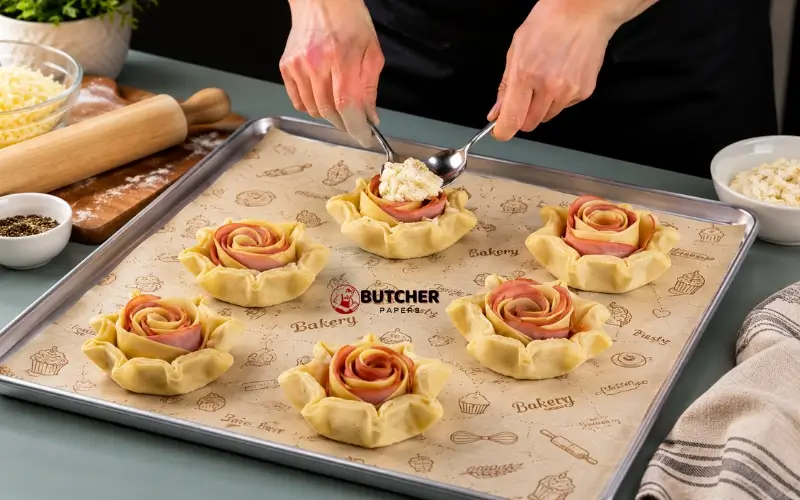
The first impression is created by the appetizers. The main course should not be overpowered by the appetizers. Simpler main dishes are better suited to lighter appetizers. Popular appetizers include spinach dip, deviled eggs, stuffed mushrooms, garlic bread and bruschetta.
The preparation is particularly important for appetizers. Vegetables must be cut evenly to ensure consistency in cooking. Bread-based appetizers need to be assembled just before serving. To achieve crisp texture, baked appetizers need to be cooked in ovens that are fully heated and with ingredients properly spaced. To maintain crispness, fry appetizers in oil that has been heated correctly and cook them in smaller batches.
Preparing appetizers too soon is a common mistake. Fried foods can lose their crispiness quickly and toppings that are fresh may become soft if they sit too long.
Choose the right appetizer
The style of meal will determine the right appetizer. The right appetizer will depend on the style of meal. The addition of fresh ingredients and a balanced seasoning makes appetizers more satisfying and refined.
Prepare Ingredients for Appetizers
Before cooking, you should prepare your ingredients by washing, trimming, cutting and measuring them. Uneven slicing improves presentation and helps to cook ingredients evenly.
Cooking Instructions For Appetizers
To maintain consistency and texture, bake appetizers in ovens that are fully heated. Fry appetizers in small batches to maintain oil temperature. Seasoning your food immediately after cooking will improve the flavor.
Avoid these common appetizer mistakes
The most common appetizer mistakes include over-seasoning, large portions and poor timing. The main meal should be the main course.
Recipes for Soups or Salads, from Appetizers to Dessert
Salads and soups are a great way to add a freshness and contrast to heavier meals. These courses are refreshing and balance the meal. Beginner cooks will find simple soups easy to prepare because they only require minimal equipment and straightforward techniques. Home kitchens will always have a reliable selection of tomato soup, vegetable, lentil, chicken noodle, and potato soup.
The quality of the ingredients and their texture are important for a fresh salad. Crisp greens and crunchy vegetables combined with balanced dressings and fresh toppings will produce more satisfying results. In general, soup preparation begins with the slow cooking of onions, garlic or other aromatics in butter or oil. After adding the broth, vegetables, proteins and other ingredients, it is simmered to develop a deeper flavor. Salads are best assembled just before serving, as dressing them too soon will reduce their texture and freshness.
Easy Soups for Beginners
Beginner cooks can learn to season and time soups while building confidence by using simple soups. Home cooking can be done with a variety of soups including vegetable soups and soups based on broth.
How to Prepare Fresh Salad
Salads that are balanced often include leafy greens and vegetables along with proteins, cheeses as well as nuts, seeds, dressings and nuts. Freshness and texture are more important than complexity.
Soup Cooking Step-by-Step Instructions
Aromatics are cooked slowly in soups to develop flavor. Broths and ingredients need to simmer slowly until the textures are softened. Slow cooking can enhance the overall richness and depth of a dish.
How to Prepare Salads Step by Step
Before assembling, vegetables should be thoroughly washed and completely dried. Dressings must be kept separate until just before serving. To preserve the texture, fresh toppings are best added last.
The Main Course: Step-by-Step instructions from Appetizers to Desserts
The centerpiece of a meal is the main course. The quality of the food, its tenderness and appearance are greatly affected by proper cooking techniques. Popular dishes include pasta, meatloaf, grilled salmon, chicken, steak and grilled. For safety and texture, proteins must be handled with care. Separate cutting boards are recommended, raw meat should be refrigerated, and proteins must be dried prior to cooking in order to achieve better browning. Before adding proteins, the cooking surface should be preheated. Browning is the key to creating flavor, and controlled heat will finish cooking slowly.
After cooking, resting the protein allows juices to be redistributed evenly throughout meat. This improves tenderness and moisture.
Selecting the main dish
The main course must match the style of your meal. Comfort meals can include casseroles and roasted meats. Lighter meals might focus on seafood, grilled dishes or other lighter options. The availability of ingredients and the cooking time should also be considered when selecting a recipe.
How to Prepare Meat and Proteins Properly
It is important to handle proteins safely. The use of clean cutting boards and the proper temperature for cooking inside can improve safety and quality. Seasoning and marinating also enhance flavor.
How to Cook the Main Course?
Start cooking with ovens or pans that are fully heated. Before completing the cooking process, proteins should be properly seared. Resting the meat before cutting helps to preserve moisture.
The Best Techniques to Cook Main Dishes
Roasting develops rich flavor and crisp texture. Braising adds tenderness to tougher cuts by slow cooking. Pan searing is a quick way to create a crisp, exterior texture.
Keep Main Dishes Flavorful and Juicy
One of the most common mistakes in cooking is overcooking. Meat thermometers can help prevent dryness and maintain accuracy.The flavor and texture of food is improved by using a balanced seasoning and controlling the cooking temperature.
Easy Step-by-Step Recipes for Side Dishes, from Appetizers to Desserts
The side dishes are a great way to complement the main dish, adding color, texture and balance. Some of the most popular side dishes are roasted vegetables and mashed potatoes. Other options include baked pasta, buttered green beans, mashed potato, and rice pilaf.
For consistent cooking, vegetables should be thoroughly washed and cut into uniform pieces. The cooking time for different vegetables will vary. Grilled proteins and lighter vegetables pair well together, as do rich main dishes. Side dishes can be enhanced with fresh herbs, butter and the right seasoning.
The Best Side Dishes to Serve with Full Course Meals
Side dishes that are balanced should compliment the main dish rather than compete against it. The contrast between textures also enhances the overall dining experience.
How to Prepare Vegetables Correctly
Before cooking, vegetables should be washed and sliced in an even manner. Preparation is key to a consistent and attractive presentation.
How to Cook Side Dishes?
Cooking longer dishes earlier and preparing vegetables that cook faster should be done closer to the serving time. Freshness and texture are preserved by timing.
Balance Side Dishes with the Main Course
Grilled dishes are often paired with roasted vegetables, or salads. The balance of the plate is crucial.
Desserts: Step-by-Step Recipes from Appetizers to Desserts
Desserts are the last impression that you will have of your meal. Even simple desserts can be elegantly prepared when they are carefully prepared. Desserts that are suitable for beginners include brownies and fruit crisps. For baking to be successful, it is important to use precise measurements and prepare the ingredients carefully. The ingredients should be precisely measured, the ovens fully preheated and dairy products are often better when they’re at room temperature.
The order in which you mix also has an impact on texture. The wrong baking temperature can ruin consistency and produce dense desserts if you overmix the batter. Cooling time is important because many desserts continue to set after they have been removed from the oven.
Easy Desserts for Beginners
Beginner bakers can learn basic baking techniques and confidence by using simple dessert recipes. Simple desserts are often the best.
Preparing Dessert Ingredients
The consistency of desserts is improved by using precise measurements and a well-organized preparation. When mixing, ingredients at room temperature will often mix more evenly.
Step-by-Step Recipes for Desserts
Before mixing, prepare the baking pans. To maintain structure and texture, ingredients should be added in the order specified by the recipe. Never rush the cooling time.
Avoid these common dessert mistakes
Dessert mistakes that are common include incorrect measurements, baking too long, opening the oven repeatedly, and not allowing enough cooling time. Patience and patience are essential when baking.
The Perfect Timing for Every Meal, From the Appetizer To Dessert
The timing of meals is the difference between a stressful meal and a smooth service. Organizing timing will ensure that every course is properly cooked and fresh. It is best to prepare desserts, sauces and soups early, as they can be reheated or cooled down easily. Proteins and appetizers require a more precise timing nearer to the service.
Preparation in advance reduces stress. Preparing ahead by chopping vegetables, measuring out spices, making dressings and marinating protein will make your workflow more efficient. Serving dishes with covers, warming trays, and low oven temperatures help to maintain the serving temperature.
What to cook first
Desserts or dishes that require more time to cook should be cooked first, as they need cooling down. This method will help you to organize your kitchen later.
Prepare Dishes in Advance
Preparation in advance reduces stress and increases efficiency. Multitasking is also easier with prepared ingredients.
Keep Food Warm Before Serving
The food should be kept warm, but not overcooked. The use of controlled heating methods helps to preserve the texture and taste.
Serve Each Course Smoothly
The pace of the course should be comfortable so that guests can fully enjoy each dish without having to wait long. A good pace enhances the overall dining experience.
Read Also: Newly Weds Foods Ham Salad Recall
Restaurant Style Presentation: From Appetizers to Desserts
Presentation has a strong impact on how people perceive food. Simple meals can look more sophisticated with clean plating and an organized presentation. Professional plating is characterized by its attention to balance, spacing and a clean presentation. Overcrowded plates can look messy and less appealing.
As simple and tasty garnishes, fresh herbs, citrus zests, parmesan shavings or toasted nuts are all good options. Presentation is also affected by the serving dishes. While white plates are great for highlighting colors, rustic serving dishes add warmth and comfort. Atmosphere is also important. The lighting, table setting, background music and serving order are all factors that contribute to a polished experience.
How to plate appetizers professionally
Presentation is improved immediately by using clean plate edges, balanced spacing and controlled portions. Simple plating looks more elegant than complex designs.
Simple Garnishings
Fresh herbs and light decorations enhance visual appeal while supporting natural flavor. Avoid overdecorating.
Selecting the right serving dishes
The style and tone of your meal should be reflected in the dishes you serve. The visual impact of a well-chosen dish is enhanced significantly.
Create a Fine Dining Experience in Your Home
The atmosphere and presentation can transform a simple meal into a memorable experience. The smallest details can often make the biggest impressions.
Beginners should avoid these mistakes when following step-by-step instructions from appetizer to dessert
Most cooking mistakes are caused by rushing or incomplete preparation. A lack of time management can create chaos in the cooking area. When you try to cook all dishes at once, it usually leads to uneven timing and increased stress. Overcomplicated cooking recipes can also be a source of unnecessary stress. Simple recipes that are executed well tend to be more successful than ambitious ones.
The cooking process will be slowed and confusion may increase if you ignore the preparation of ingredients. The most common kitchen problems are overcooking and cooking too little. Cooking thermometers can improve accuracy and consistency.
Poor Time Management
Organizing multiple dishes can be difficult without proper planning. To maintain control, cooking timelines are helpful.
Overcomplicated recipes
Beginner cooks can focus on the timing, seasoning and presentation of their recipes instead of learning advanced techniques. Consistency and repetition are key to building confidence.
Ignoring Ingredient Preparation
Always prepare before you cook. Organized ingredients increase speed and efficiency.
Overcooking and Undercooking of Food
Temperature control and timing are important for maintaining texture, moisture and safety. Meal quality is improved by cooking accurately.
Easy Cooking Instructions:
Through repetition, practice and organization, cooking becomes easier. Simple habits can dramatically improve efficiency over time. Planning your meals reduces stress and improves shopping accuracy. Cleaning while cooking keeps the workspaces organized and clutter-free. Confidence in the kitchen can be gained by practicing knife skills, keeping pantry staples and mastering some reliable cooking techniques. Meal preparation can be made more fun and enjoyable by cooking with your family. Fresh ingredients are often more flavorful because they require less seasoning. Organizing your kitchen, balancing flavors, timing and a structured preparation can all transform everyday meals into unforgettable dining experiences.
Conclusion:
It takes more than just following a recipe to prepare a complete meal. The key to successful cooking is organization, timing and preparation. It also depends on the balance of flavors, presentation, and flavor balance. The dining experience is smoother when each course complements the one before it. Preparation is key to a successful cooking experience. Many common mistakes in the kitchen can be avoided by organizing ingredients, planning timelines and understanding cooking orders. By focusing on the structure of meals, even novice cooks can produce impressive dishes.
Repetition and consistency are key to improving your cooking skills. Each complete meal provides valuable lessons in timing, presentation and preparation. Anyone can cook a memorable and balanced meal at home with patience and practice.
Frequently Asked Question
What is the correct order of a full course meal?
The traditional meal begins with an appetizer, followed by a soup or salad and then the main course with its side dishes. Dessert is usually served after.
How long does it take to prepare a full course dinner?
Simple meals that are complete may take around two hours to prepare, but larger meals that include multiple dishes can take much longer.
Can Beginners Prepare a Full-Course Meal?
Yes. Yes. Beginners can cook complete meals by following organized cooking methods and choosing recipes that are easy to follow.
What desserts pair best with heavy meals?
Desserts that are lighter, such as cheesecake bars, fruit crisps, and sorbets, can balance out heavy meals.
How many dishes should a complete meal include?
Most complete meals consist of four to six dishes, depending on the occasion or serving style.
How can I keep food warm before serving?
Warming trays, serving dishes with covers, and low oven temperatures help to maintain the serving temperature.
Why is timing important when cooking?
The right timing will ensure that every dish is fresh, hot, and cooked properly. It will also reduce stress in the kitchen.